
New Research Shows How Biochar and Smarter Irrigation Can Save Water and Support Crop Growth in West Texas
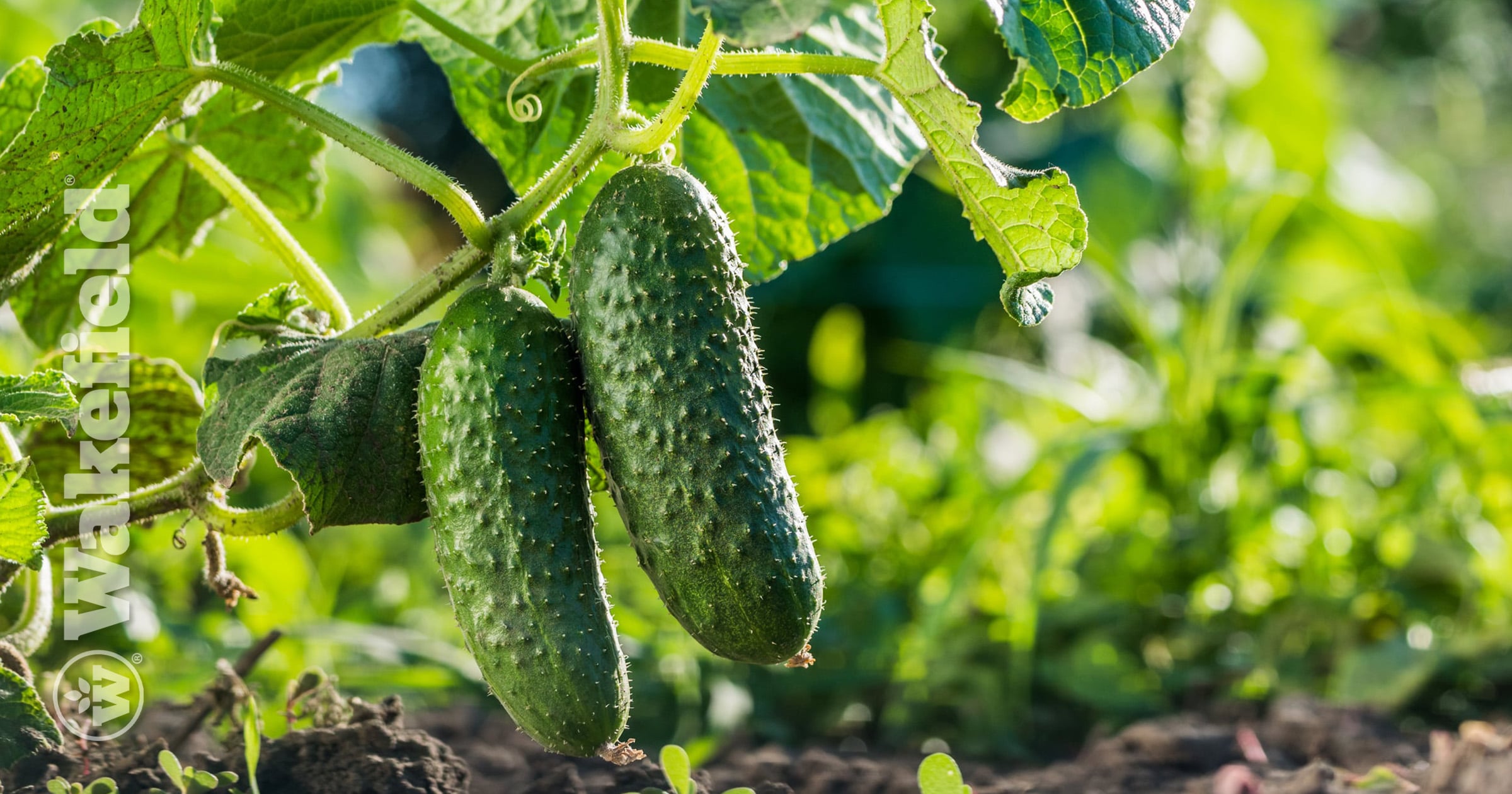
A recent field study from West Texas explored an important question facing growers in dry regions: how can farmers reduce water use while still maintaining healthy crops and productive yields?
Researchers Arjun Kafle, Sukhbir Singh, Manpreet Singh, Preetaman Bajwa, Sanjit Deb, Catherine Simpson, and Glen Ritchie studied how deficit irrigation and biochar soil amendments affected cucumber production under semi-arid conditions. Their work focused on the Texas High Plains, where limited rainfall and pressure on groundwater resources continue to challenge agriculture. The results showed that irrigation timing had the greatest impact on crop performance, while biochar improved soil water movement and long-term soil function.
What Is Deficit Irrigation?
Deficit irrigation is a strategy that intentionally applies less water than full crop demand. Instead of maximizing irrigation all season long, growers focus water applications during the crop’s most critical growth stages. This approach helps conserve water while still supporting acceptable yields. In water-limited regions like West Texas, deficit irrigation is becoming increasingly important as growers work to stretch limited groundwater supplies and improve long-term sustainability.
What the Researchers Studied
The researchers tested four irrigation levels alongside multiple biochar application rates over two growing seasons. The irrigation treatments ranged from full irrigation to severe water reduction. They also compared soils amended with different amounts of Wakefield biochar to see whether biochar could help crops better tolerate water stress.
The study measured:
- cucumber growth and yield;
- plant physiology;
- water-use efficiency;
- and soil hydraulic conductivity, which affects how water moves through soil.
What the Research Found
1. Smarter Irrigation Saved Water With Moderate Yield Losses
The study found that moderate deficit irrigation reduced yields only modestly compared to full irrigation. Across two years, moderate water reductions led to yield decreases of roughly 14–16%, while severe water stress caused much larger losses. This suggests growers may be able to conserve meaningful amounts of water without dramatically reducing production, especially when irrigation is carefully managed.
2. Biochar Improved Soil Water Movement
One of the clearest findings involved soil hydraulic conductivity, or how easily water moves through soil. Higher biochar application rates significantly improved soil water flow compared to untreated soils. In 2022, some biochar-amended plots increased saturated hydraulic conductivity by more than two times. Improved water movement can help soils absorb and distribute irrigation more effectively, particularly in dry or compacted environments.
3. Short-Term Yield Benefits From Biochar Were Limited
While biochar improved soil properties, the study found only limited short-term effects on cucumber growth and yield during the two-year trial period. Biochar primarily improves soil structure and long-term soil function and develops benefits gradually over time rather than producing immediate yield increases.
Why This Matters
For growers in semi-arid regions, water management is becoming one of the most important challenges in agriculture. Research continues to show that irrigation timing and soil health both play major roles in long-term productivity. Improving soil function, with the help of biochar, and using water more strategically can help farms become more resilient under drought conditions.
Takeaway for Farmers, Landscapers, and Home Gardeners
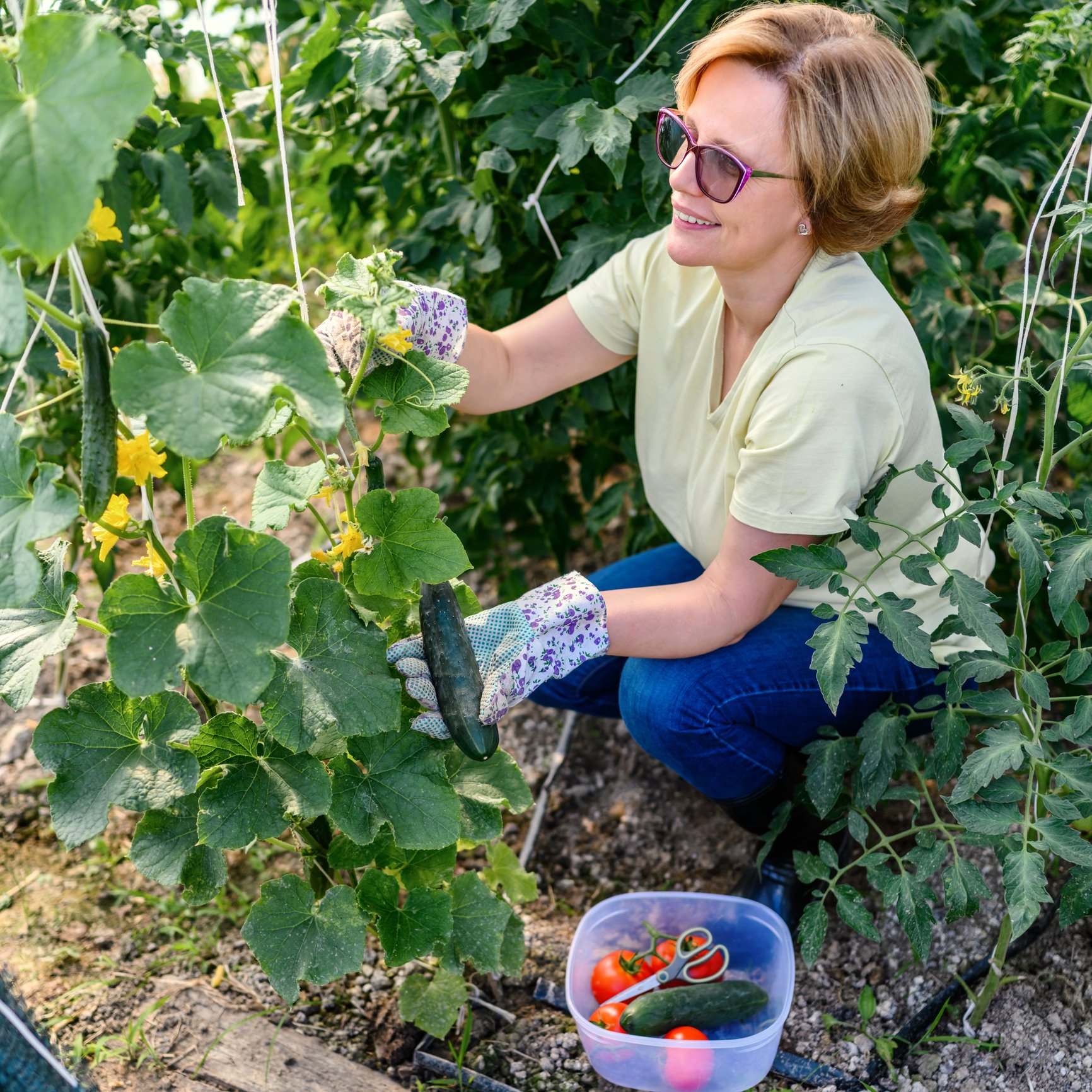
If you’re growing in dry or nutrient-poor soil, this research shows that:
- You don’t always need full irrigation to get strong yields. Smart scheduling matters.
- Biochar improves your soil’s water-handling abilities, even if it takes time to impact yields.
- Combining soil-building practices with smart irrigation is the future of sustainable growing.
Kafle, A., Singh, S., Singh, M., Bajwa, P., Deb, S., Simpson, C., & Ritchie, G. (2025). Influence of deficit irrigation and biochar amendment on growth, physiology, and yield of cucumber in West Texas. Scientific Reports, 15, Article 9615. https://doi.org/10.1038/s41598-025-94113-y