
Why Golf Courses Are Using Biochar in Sand-Based Greens

The Importance of Biochar in Turf Management
Golf course turf faces a difficult balancing act. Greens and fairways need to drain quickly, stay playable under heavy traffic, and maintain consistent turf performance through changing weather conditions. That’s why many golf courses rely on sand-based root zones.
Sand improves drainage and helps reduce compaction, but it also creates challenges. Water moves through quickly, nutrients can leach below the root zone, and turf often requires more irrigation and fertilizer to stay healthy and consistent. Biochar is increasingly being used as a way to improve these systems without sacrificing drainage or playability.
What Is Biochar?
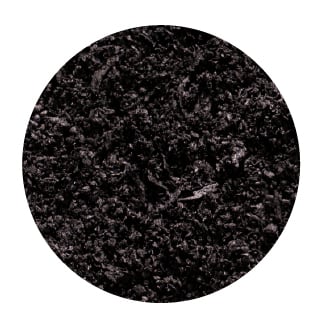
Biochar is a stable, porous carbon material produced from plant-based biomass. When added to turf systems, biochar helps improve water retention, nutrient holding capacity, and root-zone performance. Its porous structure allows biochar to hold both moisture and nutrients near the root zone while still supporting airflow and drainage within the soil profile. For golf course turf managers, this can mean healthier turf with fewer inputs.
Why Biochar Works Well in Sand-Based Greens
Sand-based greens are designed to move water quickly. That’s important for playability, but it can also lead to dry conditions and nutrient loss.
Biochar helps balance this system. The larger pores within biochar help maintain airflow and drainage, while smaller pores retain water and nutrients that would otherwise move beyond the root zone. This allows turf-grass to access moisture more consistently between irrigation cycles.
Research has shown biochar-amended turf systems can improve turf establishment, root development, and drought resilience while reducing fertilizer requirements in some applications.
Improved Moisture Retention
Water management is one of the biggest ongoing challenges in turf management, especially during heat and drought stress. Because biochar can retain moisture within the root zone, many turf managers use it to help reduce irrigation demand and improve consistency across greens and fairways.
Unlike materials that can create heavy or poorly drained soils, biochar is often incorporated into sand-based systems specifically because it supports water retention while maintaining drainage performance. This combination can help turf remain healthier during dry periods without sacrificing playability.
Better Nutrient Efficiency
Nutrients move quickly through sandy soils. As a result, turf systems often require regular fertilizer applications to maintain color, density, and growth.Biochar helps hold nutrients closer to plant roots, improving nutrient availability over time. In some studies, biochar-amended systems have demonstrated reduced fertilizer requirements alongside improved turf performance.For golf course operations, this may help support more efficient fertilizer programs while reducing nutrient loss through leaching.
Root Development and Turf Performance
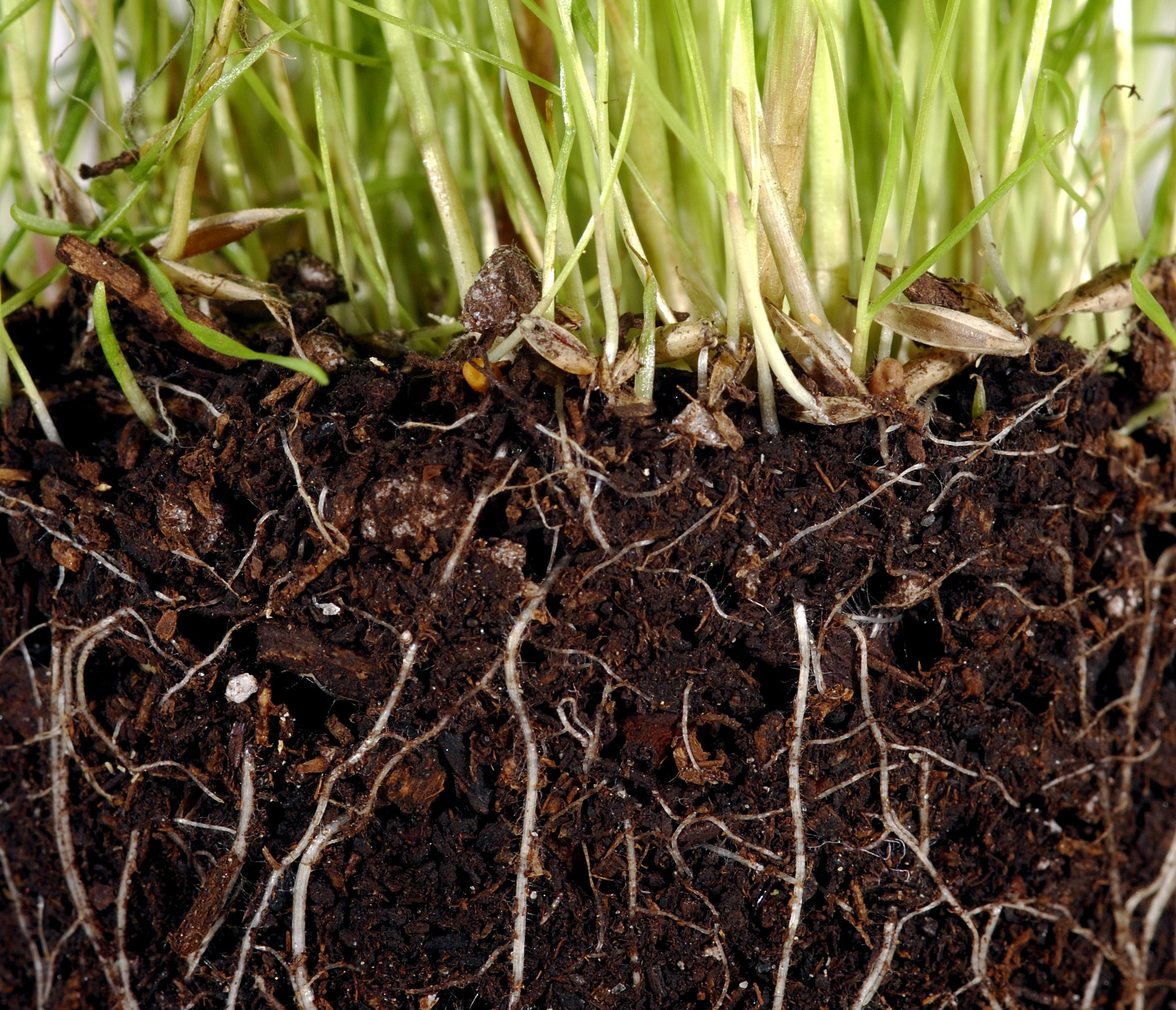
Healthy turf starts below the surface. Biochar supports root-zone structure by improving pore space and creating a more biologically active growing environment. Research has shown improved turf establishment and root performance in biochar-amended systems, particularly in sand-based applications. Stronger root systems can help turf better tolerate wear, heat stress, and changing environmental conditions throughout the season.
Sustainability Benefits for Golf Courses
Biochar may also support broader sustainability goals within golf course management. By improving water and nutrient efficiency, biochar can help reduce irrigation demand and fertilizer use over time. In addition, biochar stores stable carbon within the soil for long periods, making it a carbon-negative material in many applications. As golf courses continue exploring more sustainable turf management practices, biochar is gaining attention as a practical tool that supports both performance and environmental stewardship.
Research and Golf Course Trials
Several turf studies and golf course trials have shown encouraging results with biochar-amended systems:
- Broken Sound Club reported reduced fertilizer and fungicide inputs alongside improved moisture retention.

- UC Riverside turf-grass establishment research showed improved turf establishment and root performance in biochar-amended systems.
- USDA-ARS research demonstrated improved growth in simulated golf greens amended with biochar-based blends.

Biochar for Course Management
Biochar is not a replacement for sound turf management practices, but it can be a valuable tool within modern golf course programs. By improving water retention, nutrient efficiency, and root-zone performance, biochar helps support healthier turf while reducing pressure on irrigation and fertilizer systems.
Wakefield Premium Biochar is produced in the USA from premium Southern Yellow Pine and engineered for consistency and performance in agricultural and turf applications. For product information, application guidance, or trial discussions, contact Wakefield BioChar.