
Learning Center
Explore practical articles, expert insights, and step-by-step guides to enhance your gardening.

Learning Center Channels
The following articles appear in the Academic Researcher channel:

What Is Beneficial Reuse?
Discover how biochar transforms waste into valuable resources, enhancing soil health and sustainability.
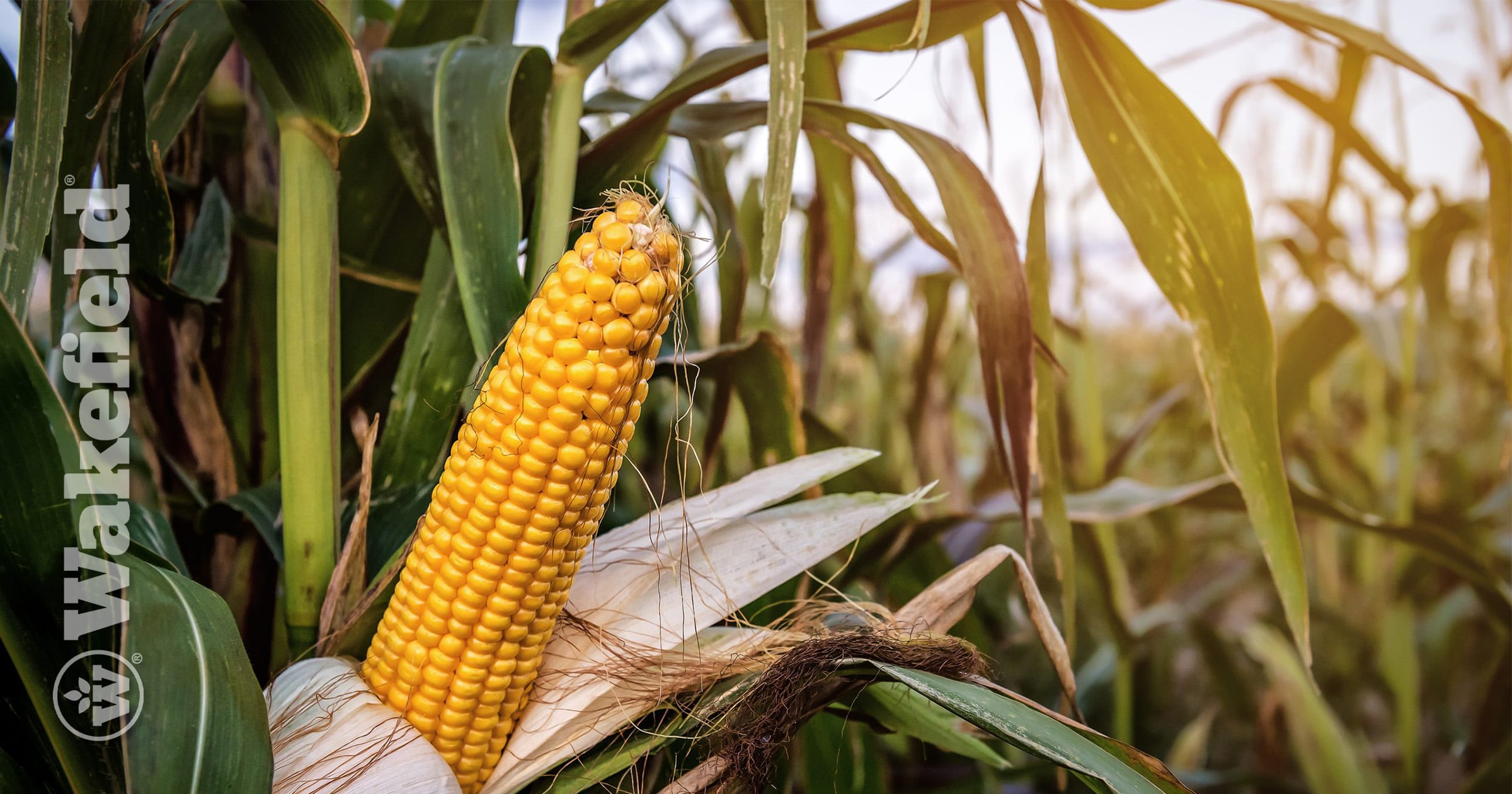
Smarter Water Use for Growing Sweet Corn: What the Research Shows
Based on research by Arjun Kafle, Sukhbir Singh, Sanjit Deb, Catherine Simpson, and Glen Ritchie(Crop Science, 2025, Texas Tech University), water is a precious resource—especially in hot, dry places like West Texas. For farmers growing sweet corn, managing water wisely is more important than ever. A 2-year field study led by Arjun Kafle and his […]

Biochar in Construction: A Sustainable Innovation for Stronger, Smarter Buildings
Transform your construction projects with biochar – the game-changing material for stronger, greener, and more sustainable building solutions.

The Science of Biochar
Biochar is a highly porous, carbon-rich substance produced by heating organic matter in a low-oxygen environment – a process called pyrolysis.
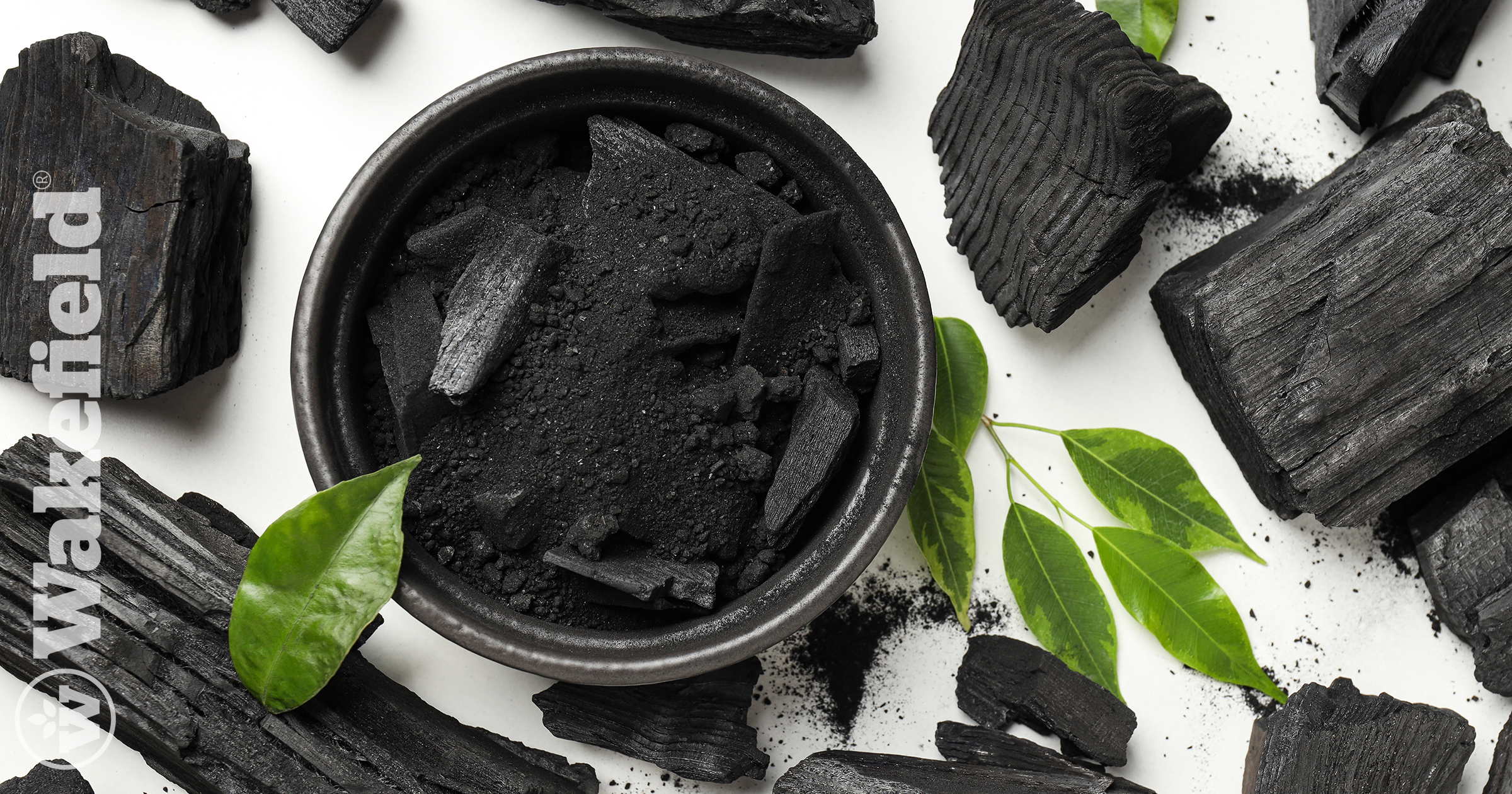
Can I Use Regular Charcoal as Biochar?
Discover why regular charcoal cannot replace biochar and the specific benefits biochar offers for soil improvement.
Biochar as a Sustainable Product for the Removal of Odor Emissions – Mini Literature Reviews
Biochar is a sustainable product that can be effectively used in various systems to remove odors.
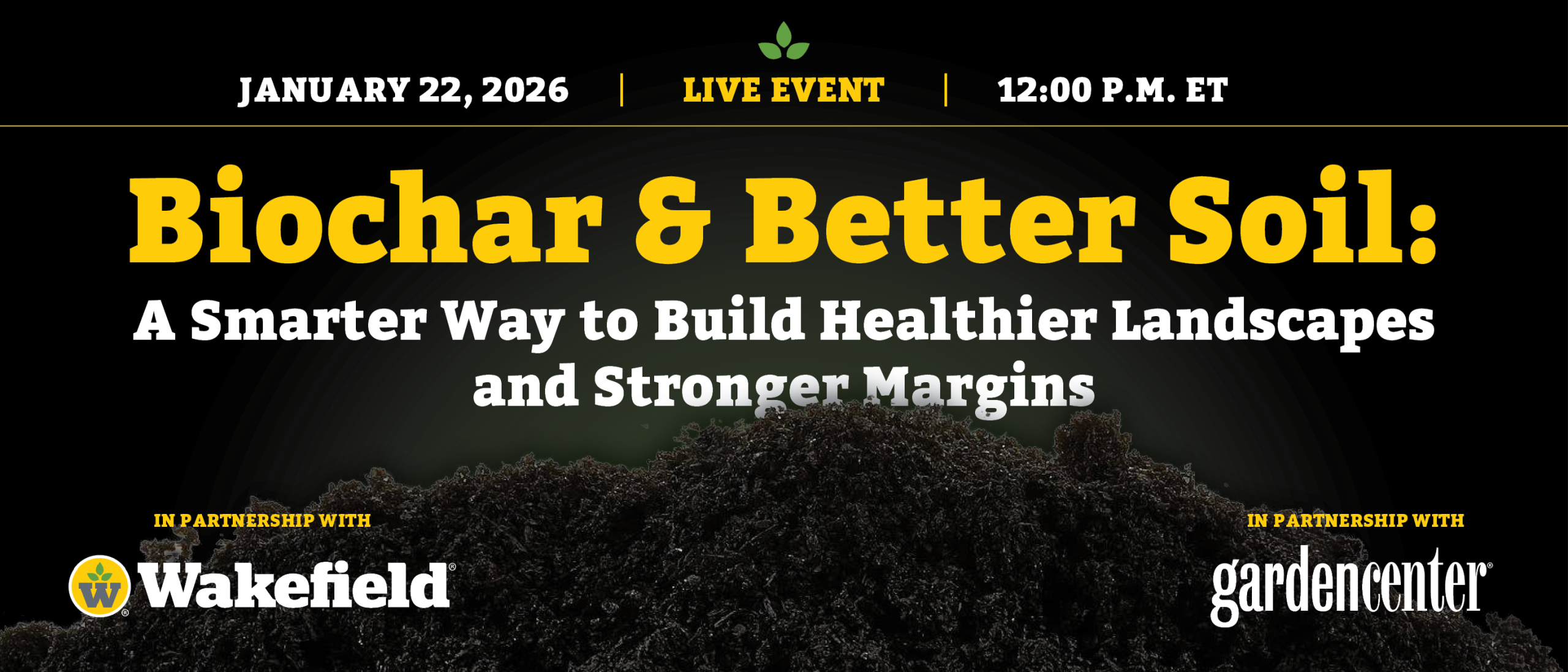
Biochar & Better Soil: A Smarter Way to Build Healthier Landscapes and Stronger Margins
Biochar is no longer a niche soil amendment—this webinar breaks down biochar market growth, sales momentum, and the key factors driving adoption across gardening, landscaping, and professional soil applications.

What is CarbonBoost?
CarbonBoost is the first soil amendment of its kind, blending cutting-edge technology with natural solutions.
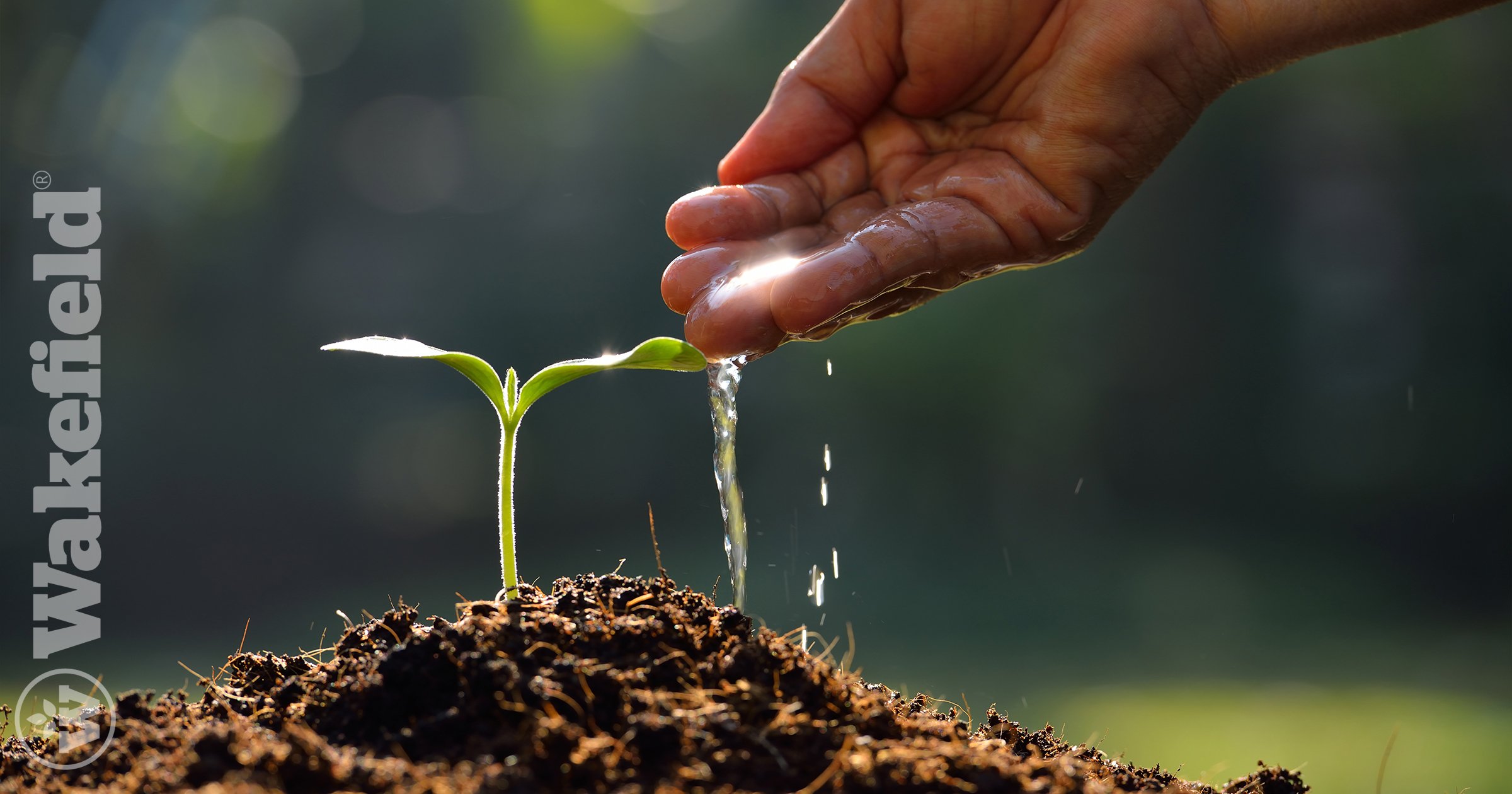
Carbon Sequestration with Biochar
Biochar, created from biomass, traps carbon, improves soil by retaining nutrients and water, supports helpful microbes, increases crop yields, and removes about two tons of CO2 per dry ton.
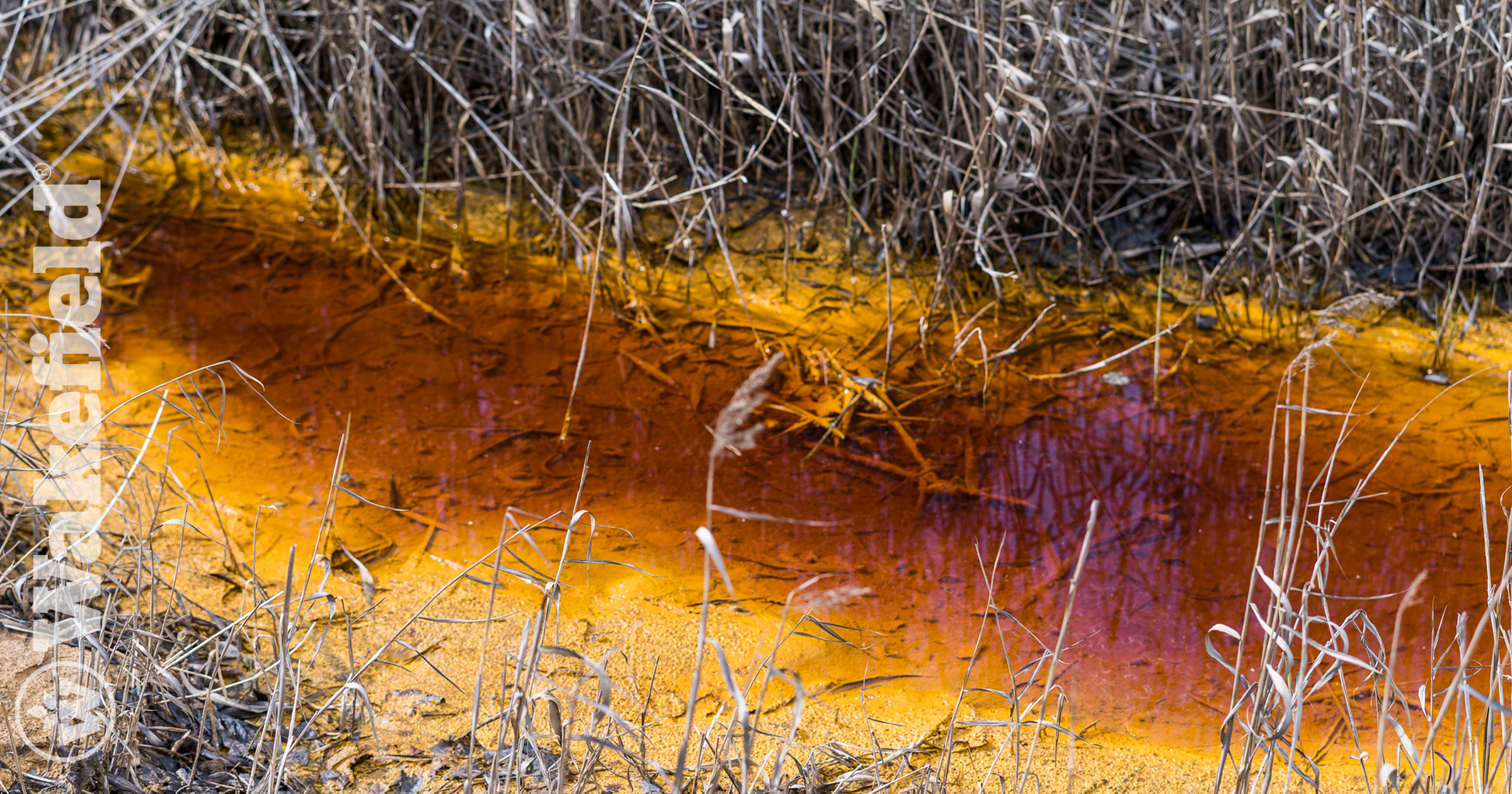
Amendment of biochar reduces the release of toxic elements underdynamic redox conditions in a contaminated floodplain soil
Biochar can transform contaminated soils by reducing harmful elements, improving soil health, and protecting water quality, all while helping to fight climate change.