
Biochar, Carbon Credits, and Climate Mitigation

In the world of carbon markets, managing emissions is a big deal, and biochar is seen as a way to help with that. But to really make it work, clear rules are needed on how biochar can earn carbon credits. This helps encourage investment and promotes eco-friendly practices around the world. This study conducted by Salma, Fryda, and Djelal (2024), highlights how biochar can help store carbon, and why it’s important to keep studying it and working together internationally.
Carbon Market Overview
In the carbon market, the aim is to reduce greenhouse gases and store more carbon to fight climate change. People join in by doing things like using energy better, investing in renewable energy, and planting trees. These actions are checked to make sure they really help. When they do, they earn carbon credits. Each credit means they’ve reduced one ton of CO2 or other greenhouse gases. These credits can be traded to help balance out emissions. The money earned goes to projects that capture carbon, like restoring forests.
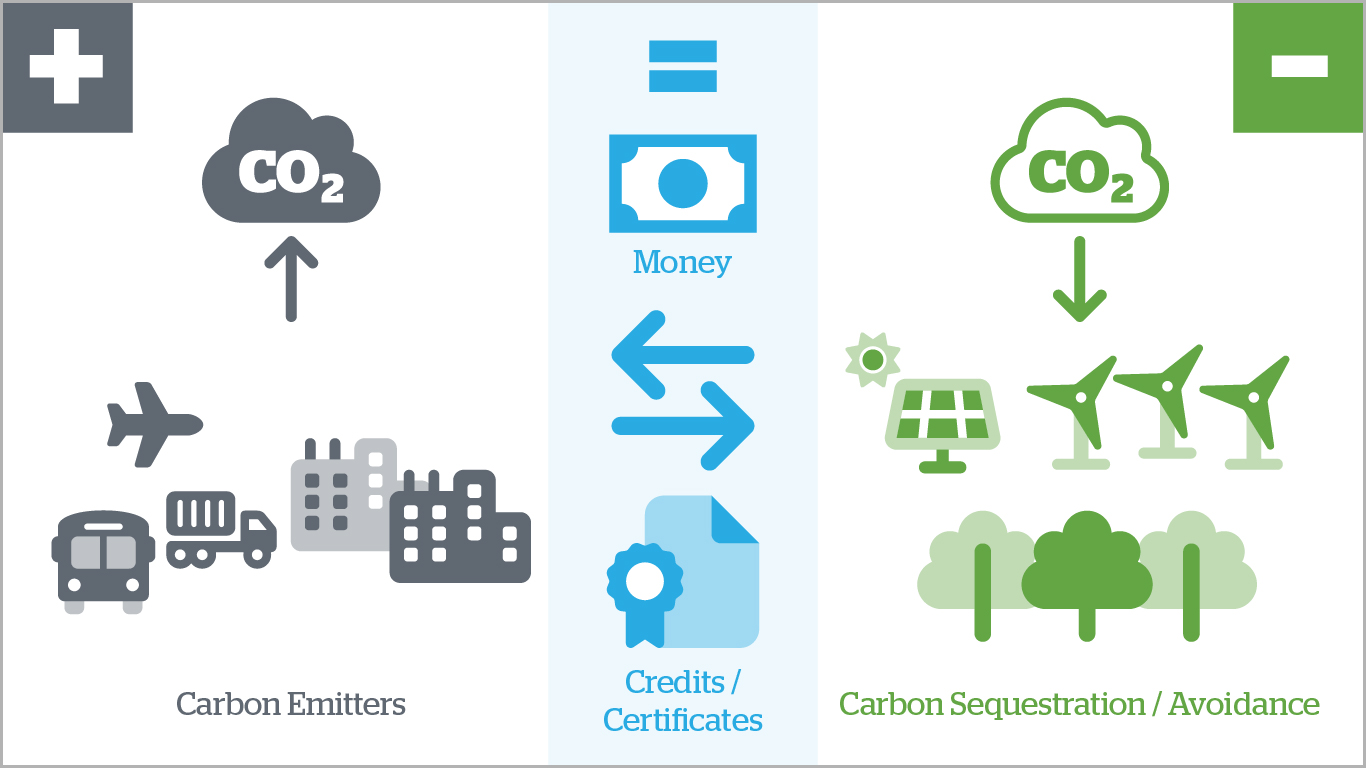
When companies combine efforts to cut emissions with buying carbon credits, they can achieve carbon neutrality, which is a significant goal in the fight against climate change. Being carbon neutral means that a company isn’t making things worse by adding more greenhouse gases to the atmosphere. So, carbon credits serve as a way to encourage actions that help offset emissions and support projects dedicated to combating climate change.
Biochar: A New Technology
Biochar, created by heating plants without oxygen, grabs CO2 from the air and keeps it locked in soil forever. This helps remove CO2, which is a good thing for the environment. Biochar is reliable and can be used in a big way without breaking down easily. It’s like putting carbon in a safe place where it can’t escape back into the air. Because of its strength and potential for wide use, biochar is a great way to reduce greenhouse gases.
The Removal
Voluntary carbon markets help reduce and remove emissions, and now they’re paying more attention to removing carbon from the air by making and using biochar. Platforms like Puro Earth and Nori focus on removing carbon dioxide (CDR) by following standards like those established for the European Biochar Certificate (EBC) .
Future Limitations
The study notes that it’s important for researchers to focus on biochar as a means of creating carbon credits. They need to investigate how well biochar can store carbon for a long time in different types of soil. Also, researchers should figure out the best ways to measure how much greenhouse gas emissions various types of biochar can reduce. Improving how biochar is made from plants is also crucial. To do all this, the study authors stress that collaboration among scientists is key. They need to share their findings openly and be ready to adapt as they learn more. This will help strengthen biochar as significant resource in fighting climate change.
Concluding Thoughts
The bottom line for Salma, Fryda, and Djelal is that biochar is a useful tool for offsetting CO2 emissions by trapping carbon, which creates carbon credits. It also helps improve soil quality, supports sustainable farming, and can replace less environmentally friendly materials. Using biochar in projects to offset carbon emissions is a practical way to fight climate change while making soil healthier.
Citation: Salma, A., Fryda, L., & Djelal, H. (2024). Biochar: A key player in carbon credits and climate mitigation. Resources , 13(2), 31. https://doi.org/10.3390/resources13020031.